Social Emotional Learning -Margaret Drost
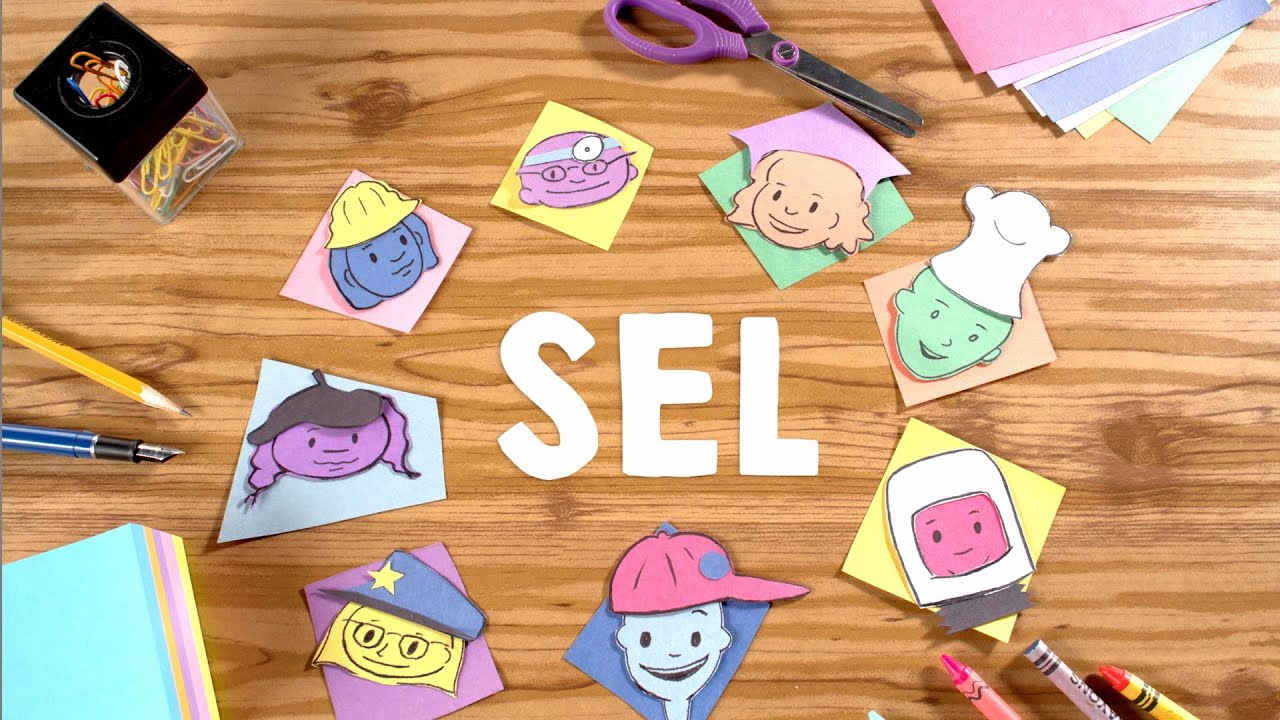
Social Emotional Learning is the criteria in which school cirricula is focused around social skills, and emotional skills that help students in their educational journey.
SOURCES
HLP's focused around SEL
HLP 7: Creating a supportive relationship between the student and yourself can help demonstrate a respectful bond, which can help motive the student towards success. When given organized materials, schedules and overall environment, students will thrive towards a similar mentality. Staying focused and guided by their surroundings will benefit them in their behavior. Ex. engaging in classroom rules and routines to keep them on track.
HLP 8: This high leverage practice deals with constructive support in the classroom, between schedules positive reinforcement on a child's behavior and learning, and helps the student to feel motivated. By the teacher giving age appropriate, caring, and meaningful feedback to the child, they feel that they are individually encouraged. Ex. Telling a student that they completed a task well, and thanking them for behaving accordingly, will result in them feeling confident in that skill and the student wanting to do it repeatedly.
HLP 9: Teaching social skills to a child in areas they may need extra help can manifest a better learning environment. Pushing a student in a certain direction in which a social skill needs more work until they finally understand and mastery is achieved. Direct instruction of a specific social skill that lacks perfection, and pushing them to use the applicable skill will drive a student to succeed in that behavior. Ex. Pushing a student to have thoughtful conversation about a learning target with surrounding students in a group setting, this builds social connections to peers and makes them feel more in touch with the material as well.
HLP 10: Creating behavior plans individually for students to ensure that they understand disrupting behavior and they can alter it into a beneficial behavior that suits their social skills. Ex. When student speaks out of turn, you ignore it, but when the child stays quiet and speaks in turn, compliment them or thank them for for speaking in turn and showing appropriate behavior. This helps motivates them to extinguish the inappropriate behavior and inhabits the correct behavior.